Undergraduate Research
As an undergraduate at the University of South Carolina, I got my start in research by studying the ecological effects of abiotic conditions on arachnids and insects. I then began to fall in love with seaweeds and marine ecology during my NOAA Hollings internship studying the invasive Undaria pinnatifida in Monterey, CA.
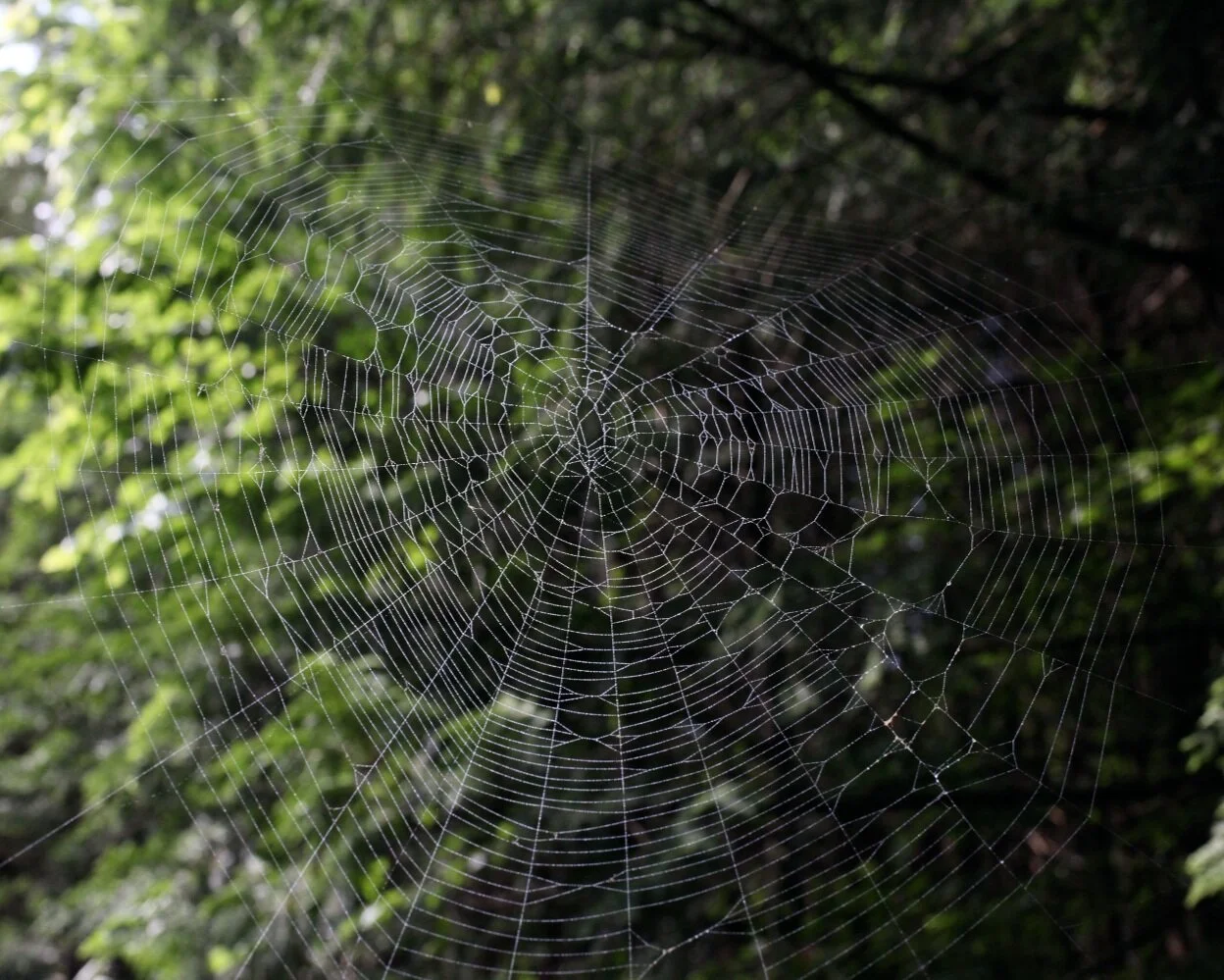
“Hot Sticky Mess: The Effects of Nuclear Radiation on Spider Cognition and Web Architecture”
September 2013 – May 2017
Funding: University of South Carolina Honors College Senior Thesis Grant
Collaborator: Dr. Timothy Mousseau
Using Image J, I analyzed photographs of spider webs taken at sites of varying radioactivity at Chernobyl and Fukushima for architectural consistency, including radii angles, interspiral units, and 10 specific architectural aberrations. We analyzed the data to determine whether there were any significant relationships between radioactivity level and web parameters. Overall, our data suggests that there are effects of radiation on both interradial angles and interspiral distances, but that these effects differ among populations. I presented and submitted this work as my University of South Carolina Honors Thesis.
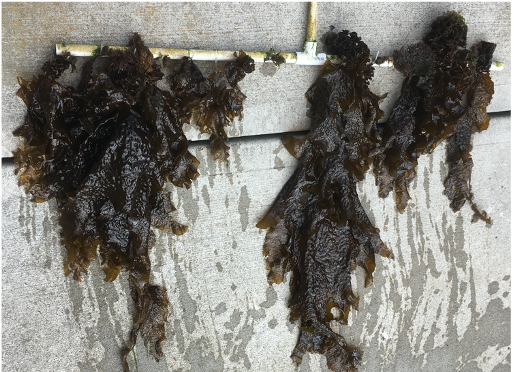
“Undoing the Undaria: Better Management Practices for the Invasive Kelp Undaria pinnatifida in Monterey Harbor”
June 2016 – August 2016
Funding: NOAA Hollings Undergraduate Scholarship
Collaborator: Dr. Steve Lonhart
I conducted an experiment on the meristem-dependent growth rates of the invasive brown algae species Undaria pinnatifida to determine whether cutting below or above the meristem was equally important at different life stages in determining maturation to reproduction. Ultimately, we found that full removal of the meristem is necessary to prevent Undaria reproduction. Additionally, I statistically assessed previous trends of Undaria densities in Monterey Harbor based on previous years’ removal records. I presented these results at the NOAA Hollings Student Symposium in 2016, WSN 2016, and the Benthic Ecology Meeting 2017.
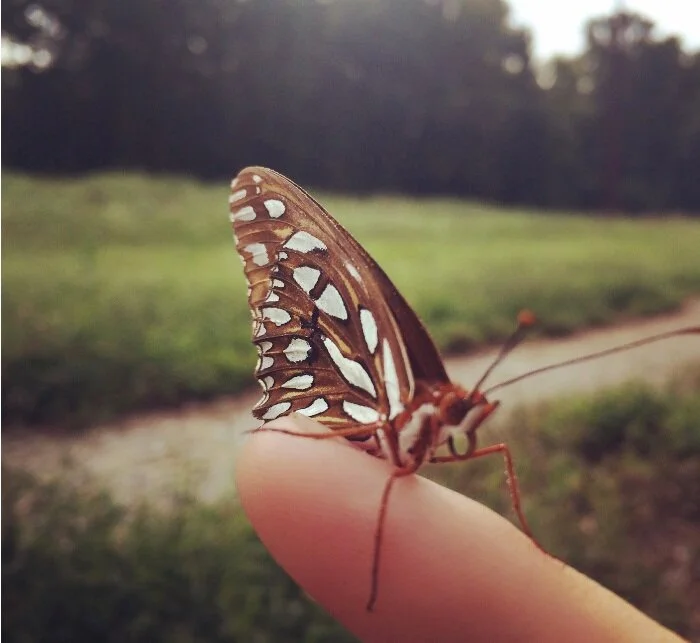
“Mud Puddling Habits in Native Lepidoptera of Columbia, SC”
September 2014 – October 2016
Collaborator: Dr. Carol Boggs
In order to gain nutrients necessary for reproduction that are not usually found in nectar, butterflies engage in a feeding behavior known as puddling. I collected butterflies from various places around Columbia, SC and brought them back to the lab, where four solutions were used to test feeding preferences: 0.01 M NaCl, 0.1 M NaCl, 10 M albumin, and 0.01 M casein. Our results found that butterflies generally do not vary among species or family in their acceptance of nutrients, but sex and family may be a factor in acceptance of amino acids and sodium, respectively. I presented these results at USC’s Discovery Day in Spring 2016 and was awarded Second Place.